

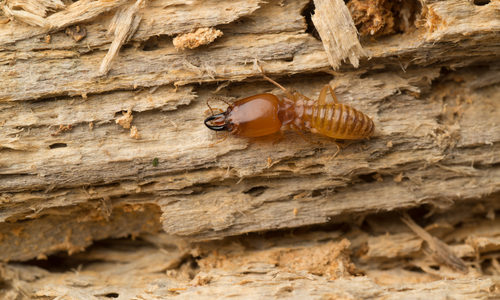
Protecting a home from termite damage requires more than responding after an infestation becomes visible. Termites often remain hidden for extended periods, quietly damaging structural wood while homeowners remain unaware of the growing problem. Because of their ability to work unnoticed, prevention has become one of the most important aspects of long-term property protection.
Over the years, termite management strategies have evolved significantly. Traditional treatment methods focused primarily on eliminating active infestations after they were discovered. Modern approaches, however, place greater emphasis on prevention, monitoring, and long-term protection designed to reduce future risks. Understanding the differences between these approaches helps homeowners make more informed decisions about safeguarding their properties.
Termite control is most effective when homeowners understand both historical and modern solutions. Comparing these methods provides valuable insight into how prevention strategies have improved and why long-term protection plans continue to evolve.
- Why Termites Remain a Serious Property Threat
- Understanding Traditional Treatment Approaches
- How Modern Prevention Strategies Differ
- The Role of Monitoring Systems
- Why Prevention Is Often More Cost Effective
- Moisture Management and Its Importance
- Supporting Long-Term Structural Protection
- Why Professional Expertise Matters
- Balancing Treatment and Prevention
- Looking Toward the Future of Property Protection
- Conclusion
Why Termites Remain a Serious Property Threat
Termites are capable of causing extensive structural damage because they feed on cellulose found in wood and other building materials. Unlike many household pests, termites often remain concealed behind walls, beneath floors, and inside support structures. This hidden behavior allows infestations to continue for months or even years before obvious warning signs appear.
The financial consequences of termite damage can be significant. Repairs may involve replacing framing components, flooring systems, and other structural materials that have been weakened over time. Preventing these issues is often far less expensive than addressing severe damage after it develops.
Because termites operate quietly and persistently, homeowners benefit from protection strategies that focus on early detection and long-term prevention rather than relying solely on repairs.
Understanding Traditional Treatment Approaches
Traditional termite management methods were largely reactive in nature. Homeowners typically sought treatment only after visible signs of infestation appeared. Professionals would identify active colonies and apply treatments intended to eliminate immediate activity within affected areas.
These approaches often focused on addressing existing infestations rather than preventing future ones. While effective in many situations, traditional methods sometimes left properties vulnerable to reinfestation if environmental conditions remained favorable. Ongoing monitoring was not always a central part of the process.
Traditional Termite control strategies provided important protection for many years, but evolving knowledge has led to more comprehensive approaches that emphasize prevention alongside treatment.
How Modern Prevention Strategies Differ
Modern termite management focuses heavily on reducing risks before severe infestations occur. Rather than waiting for visible damage, homeowners are encouraged to participate in ongoing monitoring and preventative maintenance programs. This shift reflects a broader understanding of termite behavior and structural vulnerability.
Contemporary methods often include monitoring systems designed to detect activity early. These systems help professionals identify developing problems before widespread structural damage occurs. Early detection supports faster intervention and more targeted solutions.
Agile Pest Control helps homeowners understand how modern prevention strategies contribute to stronger long-term protection. Proactive planning reduces uncertainty while improving overall property security.
The Role of Monitoring Systems
One of the most significant advancements in termite management involves monitoring technology. Modern systems provide continuous observation of termite activity around a property. Rather than relying solely on periodic visual inspections, monitoring devices help detect changes that may indicate increased risk.
These systems allow professionals to respond more quickly when activity is identified. Early intervention often reduces treatment complexity while minimizing the likelihood of extensive damage. Monitoring also provides valuable information about long-term infestation patterns.
Termite control programs that incorporate monitoring create a more proactive approach to property protection and improve overall effectiveness.
Why Prevention Is Often More Cost Effective
Repairing structural damage can be expensive, especially when infestations remain undetected for long periods. Flooring systems, support beams, wall framing, and other critical components may require extensive restoration after severe termite activity.
Preventative protection generally requires fewer resources than large-scale reconstruction projects. By identifying vulnerabilities early and reducing opportunities for infestation, homeowners often avoid major repair expenses later. Prevention also helps preserve property value over time.
Agile Pest Control frequently emphasizes prevention because long-term protection strategies often provide greater financial benefits than repeated reactive treatments.
Moisture Management and Its Importance
Modern termite prevention recognizes the strong connection between moisture and infestation risk. Damp environments make wooden structures more attractive to termites while creating favorable conditions for colony growth. As a result, moisture management has become a key component of many protection plans.
Leaking pipes, poor drainage, and inadequate ventilation frequently contribute to elevated risk levels. Addressing these issues reduces the likelihood of infestation while improving overall structural health. Environmental management complements treatment efforts and strengthens prevention.
Traditional methods often focused primarily on eliminating active colonies, whereas modern approaches emphasize correcting conditions that encourage future activity.
Supporting Long-Term Structural Protection
The ultimate goal of termite management is preserving structural integrity. Modern strategies focus on maintaining long-term protection rather than simply resolving immediate concerns. This broader perspective helps homeowners reduce risk throughout the life of the property.
Regular inspections, monitoring systems, moisture control, and preventative treatments all contribute to stronger structural protection. Together, these measures create multiple layers of defense against hidden termite activity.
Termite control becomes more effective when viewed as an ongoing process rather than a one-time service. Consistent attention supports better long-term outcomes.
Why Professional Expertise Matters
Termite behavior is complex, and effective protection requires specialized knowledge. Professionals understand how environmental conditions, construction methods, and local risk factors influence infestation potential. Their expertise allows for more accurate assessments and targeted prevention strategies.
Homeowners may not always recognize subtle warning signs or structural vulnerabilities. Professional evaluations help identify risks that could otherwise remain hidden. Early awareness improves decision-making and supports more effective prevention.
Agile Pest Control works with homeowners to develop customized strategies that reflect the property’s specific needs and environmental conditions. Personalized planning enhances long-term protection.
Balancing Treatment and Prevention
The most effective termite management programs combine treatment with prevention. Eliminating active infestations remains important, but preventing future activity is equally critical. A balanced approach addresses both immediate concerns and long-term risks.
Modern strategies often integrate inspections, monitoring, environmental management, and targeted treatments into a comprehensive protection plan. This combination provides stronger and more reliable results than relying on a single method alone.
Homeowners benefit most when termite management becomes part of a broader property maintenance strategy focused on preserving structural health.
Looking Toward the Future of Property Protection
As technology and industry knowledge continue advancing, termite prevention methods are likely to become even more precise and effective. Monitoring systems, data analysis, and targeted treatment options already provide advantages that were not available through traditional methods.
Homeowners who embrace modern prevention strategies place themselves in a stronger position to avoid costly damage and maintain property value. Long-term protection depends on staying proactive rather than waiting for visible problems to emerge.
Investing in prevention today often creates significant benefits for years to come.
Conclusion
Protecting a home from termite damage requires a strategy that extends beyond reactive treatment. While traditional approaches focused primarily on eliminating active infestations, modern methods emphasize prevention, monitoring, and long-term structural protection.
Termite control programs that incorporate early detection, moisture management, routine inspections, and ongoing monitoring provide stronger defense against hidden activity. These proactive measures help reduce repair costs while preserving property value and structural integrity.
With guidance from Agile Pest Control, homeowners can take advantage of modern protection strategies designed for lasting results. Through preventative planning, professional expertise, and continuous monitoring, Agile Pest Control helps create safer and more secure homes for the future.
