

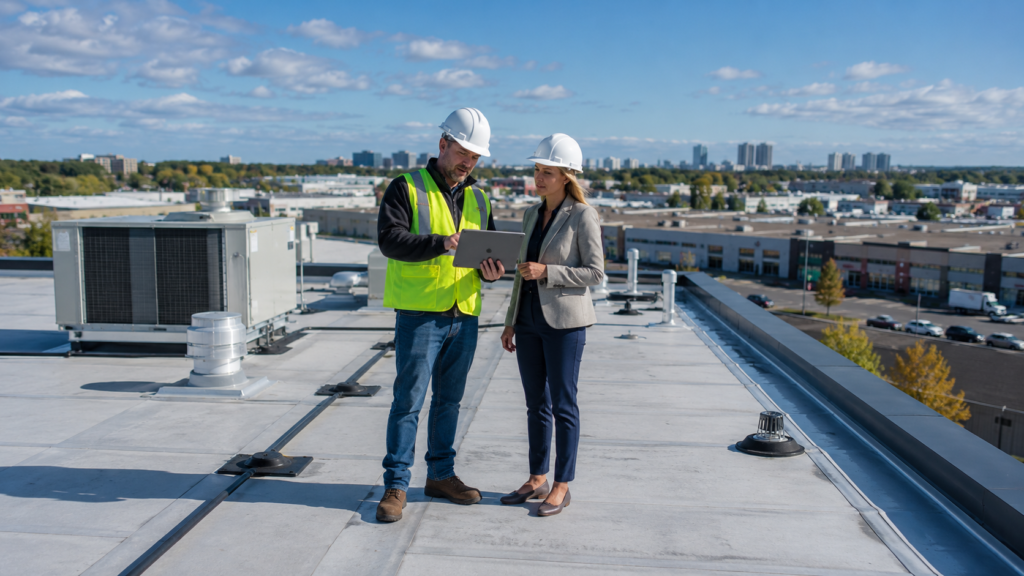
Commercial roofing is often viewed as a building necessity, but its role extends far beyond simply covering a structure. A well-designed and properly maintained commercial roof contributes to operational efficiency, asset protection, energy performance, and long-term financial stability. For property owners and facility managers, roofing decisions can influence everything from maintenance budgets to tenant satisfaction.
Unlike residential roofing systems, commercial roofs often cover large surface areas and support complex building operations. HVAC equipment, drainage systems, ventilation components, and other infrastructure frequently depend on the roof’s performance. As a result, even minor roofing issues can create significant challenges if they are not addressed promptly.
Understanding the broader impact of commercial roofing helps business owners make informed decisions about maintenance, repairs, and replacement strategies. When viewed as a long-term investment rather than a short-term expense, a commercial roof becomes one of the most valuable assets a property can have.
- The Unique Demands Placed on Commercial Roofing Systems
- Why Roof Performance Directly Affects Business Operations
- The Financial Value of Preventive Roof Maintenance
- How Material Selection Influences Long-Term Results
- Energy Efficiency and Modern Roofing Systems
- Protecting Property Value Through Roofing Investments
- Building a Strong Foundation for Long-Term Business Success
The Unique Demands Placed on Commercial Roofing Systems
Commercial buildings face challenges that differ considerably from those affecting residential structures. Larger roof surfaces are exposed to greater environmental stress, while flat or low-slope designs create unique drainage and maintenance requirements.
Daily exposure to sunlight, rain, wind, temperature fluctuations, and debris gradually affects roofing materials. In addition, commercial roofs often support equipment that requires regular service visits, increasing foot traffic and wear over time. These factors contribute to a more demanding operating environment.
Because of these conditions, commercial roofing systems must be designed with durability and performance in mind. Material selection, installation quality, and ongoing maintenance all play essential roles in determining long-term success.
Why Roof Performance Directly Affects Business Operations
A commercial roof does more than keep water out of a building. It protects inventory, equipment, technology systems, interior finishes, and daily business activities. When roofing issues develop, the consequences can extend well beyond repair costs.
Leaks may disrupt operations, damage valuable assets, and create uncomfortable conditions for employees or customers. In some industries, water intrusion can even interrupt production schedules or affect regulatory compliance. These secondary impacts often exceed the direct cost of roofing repairs.
A reliable roofing system supports business continuity by reducing the likelihood of unexpected disruptions. This makes proactive roof management an important part of overall facility planning.
The Financial Value of Preventive Roof Maintenance
Many commercial property owners focus on roofing only when visible problems occur. However, waiting until issues become obvious often results in higher expenses and more extensive repairs. Preventive maintenance provides an opportunity to identify developing concerns before they escalate.
Routine inspections can reveal minor issues such as membrane damage, drainage concerns, flashing deterioration, or areas of excessive wear. Addressing these conditions early is typically more affordable than responding to major failures later.
Preventive maintenance also helps maximize the lifespan of roofing materials. Extending the service life of a commercial roof can significantly improve return on investment while reducing long-term ownership costs.
How Material Selection Influences Long-Term Results
Commercial roofing systems are available in a variety of materials, each offering unique advantages. Membrane systems, metal roofing, modified bitumen, and other options are selected based on building requirements, environmental conditions, and budget considerations.
The right material depends on more than initial cost. Factors such as energy efficiency, durability, maintenance needs, and weather resistance should all be evaluated carefully. A roofing system that performs well under specific environmental conditions may deliver substantial long-term value.
Business owners who consider lifecycle performance rather than upfront expense often achieve better financial outcomes. Strategic material selection helps ensure that roofing investments support both operational and maintenance goals.
Why Professional Expertise Matters in Commercial Roofing
Commercial roofing projects involve technical considerations that extend beyond standard construction practices. Drainage design, insulation performance, ventilation requirements, and structural compatibility all influence roofing success.
A qualified commercial roofing company in Western North Carolina understands how these factors interact within a complete roofing system. Professional evaluation helps ensure that roofing solutions are aligned with building requirements, environmental conditions, and long-term performance expectations.
Expert guidance is particularly valuable when planning major repairs or replacements. Accurate assessments reduce uncertainty and help property owners make informed decisions regarding their investments.
Energy Efficiency and Modern Roofing Systems
Energy costs remain a significant concern for many businesses. Roofing systems can influence heating and cooling performance by affecting how much heat enters or escapes a building throughout the year.
Modern commercial roofing materials often include reflective properties that help reduce solar heat absorption. Improved insulation systems also contribute to more stable indoor temperatures and reduced energy demand. Together, these features can support lower operating expenses.
Energy-efficient roofing strategies are becoming increasingly important as businesses seek ways to improve sustainability while controlling costs. Roofing upgrades often play a meaningful role in achieving these objectives.
Protecting Property Value Through Roofing Investments
A commercial building represents a substantial financial asset. The condition of its roofing system directly influences overall property value and marketability. Prospective buyers, tenants, and investors frequently evaluate roofing condition when assessing a property.
Visible roofing problems can create concerns regarding deferred maintenance and future expenses. In contrast, a well-maintained roofing system demonstrates responsible ownership and reduces uncertainty for potential stakeholders.
Investing in roof maintenance and strategic upgrades helps preserve property value while supporting long-term financial objectives. Strong roofing performance contributes to a more attractive and competitive asset.
The Importance of Planning for Future Roofing Needs
One of the most effective approaches to commercial roof management involves long-term planning. Rather than reacting to emergencies, property owners can develop maintenance schedules, inspection programs, and replacement timelines that support predictable budgeting.
Planning ahead allows businesses to evaluate options carefully, schedule projects strategically, and avoid rushed decisions during unexpected situations. This proactive approach often leads to better outcomes and lower overall costs.
Long-term planning also provides greater flexibility when coordinating roofing work with broader facility improvement initiatives. Roofing projects can be integrated into larger capital improvement strategies to maximize efficiency and value.
Building a Strong Foundation for Long-Term Business Success
Commercial roofing affects far more than the physical structure of a building. It influences operational continuity, energy performance, maintenance costs, property value, and overall business stability. Because of this broad impact, roofing decisions deserve careful consideration and strategic planning.
A successful roofing strategy combines quality materials, professional expertise, preventive maintenance, and long-term thinking. These elements work together to create systems that perform reliably under demanding conditions while supporting organizational goals.
For property owners and facility managers, investing in commercial roofing is ultimately an investment in the future of the business itself. A dependable roofing system provides protection, efficiency, and peace of mind while helping ensure that the building remains a valuable and productive asset for years to come.
