

As workloads grow more demanding, shared environments and unpredictable cloud billing can become limiting for businesses. That’s where a dedicated server starts to make sense.
Unlike virtualized cloud setups, a bare metal server gives you full control over physical hardware. No noisy neighbors. No shared resources. Just consistent performance and clearer cost structures.
If you’re evaluating cloud vs bare metal, the real question isn’t which is better overall, it’s which aligns with your workload, risk tolerance, and long-term ROI.
What Is a Bare Metal Server?
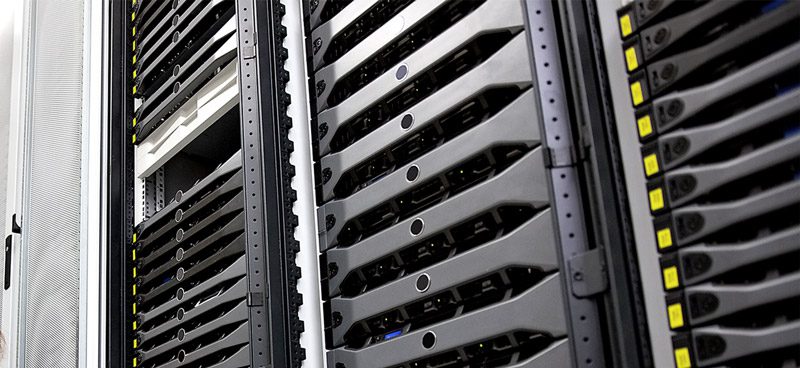
A bare metal server is a physical machine dedicated entirely to a single tenant. There’s no virtualization layer splitting resources between users.
In simple terms:
- One server = one client
- Full access to CPU, RAM, and storage
- No resource contention
- Custom configuration flexibility
This makes it fundamentally different from cloud environments, where multiple users share underlying hardware.
For businesses exploring bare metal hosting in Asia, the appeal lies in predictability and control, two things that become increasingly important at scale.
Why APAC Businesses Are Looking at Bare Metal Again?
Cloud adoption across APAC has been massive. But now, there’s a noticeable shift, especially among enterprises and high-growth companies.
Why? Because certain realities are catching up:
- Unpredictable cloud costs at scale
- Performance variability due to shared environments
- Increasing compliance and data sovereignty requirements
- Need for consistent high performance computing server setups
Industries like SaaS, fintech, and ecommerce, especially in fast-growing markets, are re-evaluating infrastructure choices. For many, having a dedicated server in Asia is becoming part of a hybrid or even primary strategy.
Performance Advantages: Speed, Stability, and Control
Performance is often the first trigger for moving to bare metal.
With a high performance server in APAC, you’re working with guaranteed resources, not shared ones.
Key performance benefits:
- Consistent speed: No resource contention from other tenants
- Low latency: Direct hardware access improves response times
- Better workload handling: Ideal for databases, analytics, and real-time applications
- Custom optimization: Configure hardware specifically for your use case
For example, hosting for SaaS in APAC often requires stable environments where latency spikes or downtime directly impact revenue. Bare metal reduces those risks significantly.
Security Advantages: More Isolation, Less Exposure
Security is not just about tools, it’s about architecture.
A secure server infrastructure built on bare metal offers:
- Single tenant isolation: No shared environment risks
- Reduced attack surface: Fewer layers mean fewer vulnerabilities
- Greater compliance control: Easier to meet regional data regulations
- Custom security configurations: Tailored to your organization’s needs
In data security hosting in Asia, especially for fintech and regulated industries, this level of isolation is often non-negotiable.
Cost Advantages: When Bare Metal Can Save More Over Time
At first glance, clouds seem cheaper. But that’s often a short-term view.
Bare metal becomes cost-effective when:
- Workloads are predictable and continuous
- You need high compute power 24/7
- Data transfer and storage costs in cloud start compounding
Infrastructure cost optimization with bare metal:
- Fixed monthly pricing (no billing surprises)
- No extra charges for data egress
- Better price-to-performance ratio for heavy workloads
For businesses running constant operations, like ecommerce platforms or large-scale SaaS, single tenant infrastructure can significantly reduce long-term costs.
Bare Metal vs Cloud: Which One Fits Your Business?
| Criteria | Bare Metal Server | Cloud Infrastructure |
| Resource Allocation | Dedicated | Shared |
| Performance | Consistent, high | Variable |
| Scalability | Manual or planned | Instant, flexible |
| Cost Model | Fixed | Pay-as-you-go (can spike) |
| Security | High (isolated) | Shared responsibility |
| Best For | Stable, heavy workloads | Dynamic, unpredictable workloads |
Midway through your evaluation, it’s important to revisit your priorities. If control, predictability, and performance matter more than flexibility, a dedicated server approach often wins.
Who Should Choose Bare Metal in APAC?
Not every business needs bare metal. But for certain profiles, it’s a strategic advantage.
Best-fit use cases:
- SaaS companies with steady user demand
- Ecommerce platforms during high traffic cycles
- Fintech firms with strict compliance requirements
- Enterprises running large databases or analytics workloads
- Businesses needing scalable infrastructure in APAC with predictable growth
If your infrastructure is mission-critical and downtime or performance dips translate directly into revenue loss, bare metal is worth serious consideration.
Conclusion
Bare metal servers are not replacing cloud, but they are reclaiming their place in modern infrastructure strategies.
A bare metal server offers control, performance, and security that cloud environments sometimes struggle to match, especially at scale.
The smartest approach for many organizations today isn’t choosing one over the other, but building a hybrid strategy where each serves its purpose.
FAQs
FAQ 1: Is a bare metal server better than a cloud?
It depends on the workload. Bare metal is often better for steady, heavy, or sensitive workloads. Cloud is better for quick changes and short-term flexibility.
FAQ 2: Who should use a dedicated server in Asia?
SaaS firms, ecommerce brands, fintech companies, and enterprises with high traffic or strict security needs.
FAQ 3: Why is bare metal good for performance?
The server is not shared, so the business gets full access to compute power, memory, and storage.
FAQ 4: Can bare metal lower infrastructure costs?
Yes, especially for predictable workloads that run all the time.
